What Makes Entrepreneurs Unemployable

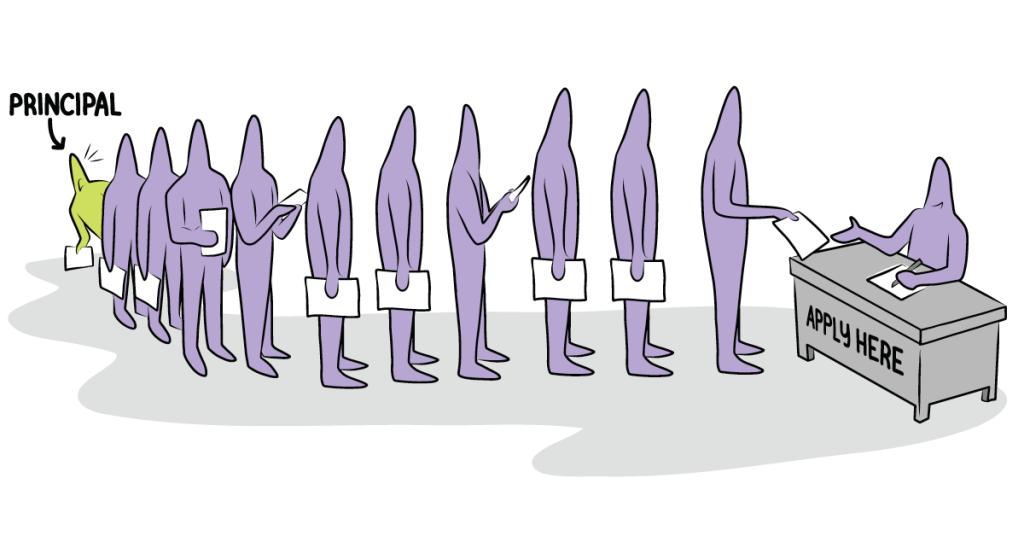
I smile when I think of someone offering me a job. To be clear, it hasn’t happened, so it’s just an imaginary exercise on my part. You’re probably in the same boat. There are three exceptions to that, but let’s first look at why you are largely unemployable.
Unlimited Earning Potential
You may be making $150,000 or $1,200,000 every year, which means that there are tens of millions of people making more than you, but having a boss puts a limit on what you can make and you can’t live with that. It might not be much of an obstacle, but you’ll still view it as one. Having a boss means that you need to be managed, and people who need managing have a ceiling on their earnings.
By the way, good sales people don’t like compensation ceilings, either, which is why there’s such a significant overlap between great sales people and successful principals.
Allergic to Any Mistakes but Your Own
Mistakes happen, and you know it. In fact, you’ve rightfully come to understand that your job is to make lots of decisions, hoping that enough of them are right. You don’t mind calling out mistakes and living with the consequences, but even a generous take on your part has you believing that you wouldn’t make the same mistakes as your boss. At the core of your soul, you believe any given situation could be better, and you’re the person to bring that about.
Inefficiencies Corrected by Process
A line employee masters a process to eliminate surprises and to earn that conformity badge that reassures them of “team player” status. An entrepreneur spots ways to do things better—to save time and money—and then crafts processes to better the organization. (That same person does a shit job of following those processes, by the way, because they can’t be limited by them. “You do timesheets, but do as I say and not as I do.”)
An Essential Part of Your Identity
How do you know if someone is a pilot, the question goes? “Don’t worry. He’ll find a way to tell you.” The same goes for your role as an entrepreneur. You wear the title proudly, translated variously through Founder or Principal or President or CEO, and often with multiple titles stacked on the same line. People who are destined to be VPs wear that title proudly. People who are destined to be founders feel like losers as a VP.
Three Exceptions to This Rule
These exceptions sort of prove the rule, but they are exceptions. They present instances where there’s a crack in the space/time continuum and something changes:
- When you realize that you are on the wrong side of the client and independent firm divide and you switch up. You go take a management role at the client.
- When you sell your firm and accept an earnout, where you are, in effect, working for someone else. Earnouts were universally five years long in the past, but now they are never longer than three and very often shorter than that.
- When you decide that you don’t enjoy owning a firm, often because you struggle with new business, and you decide to work for someone else. In that case, you are often the best employee that new firm has, because you operate as a leader while understanding the pressures of entrepreneurship. You become a trusted lieutenant to the principal(s) of the firm where you land.
That Entrepreneur Who Works for You
Do you have one of those? If you do, you’ve surely spotted him or her by now. Don’t build a box around them, hoping to mold them into a no. 2. Your options are to make them a partner, help them buy you out, or encourage them to build their own firm.
If this person is honorable, do what you can to foster their career. (If they are not, bury them with extreme prejudice.) Regardless of what happens, have candid conversations, have a complete open book relationship with them, and be the adult.
One Final Note
Successful entrepreneurs are almost always generalists, by definition. This is how you achieve early success. But the needs of the marketplace quickly outpace your skills, and what got you here won’t get you to the next level.
That next level requires you to hire specialists and then be a good manager that people want to work for.
If you think you’re better at most things than your people, that just means you’re a generalist…with a poor memory.