Investing in Ee Retreats at Remote Firms

The pandemic changed a lot of things, and we still haven’t adapted our business to the new world. There were many deep changes:
- We can recruit from a much broader geographic area. This is the biggest advantage, by far. The pandemic was a forcing function in opening our eyes to how this could work. On the flip side, employees don’t need to move to climb a corporate ladder, and so it’s easier to gain…and easier to lose…great team members.
- Somebody, somewhere, apparently mandated that every interaction needs to be a video call these days. Video is great. Phone calls are great. I think better when I’m walking around, and if I would have known that video calls are the new normal, I might not have gotten those three cervical surgeries and a titanium implant. It hurts to sit in front of a screen.
- Eroded work-life lines. Appointments, schooling responsibilities, working from auto repair waiting rooms—all this is just normal.
- Nixed central office expense. In the early days, everybody switched to working from home and the only person in the downtown office was the principal. It wasn’t long before you gave up a lease or subleased it to someone else, saving about 6% for all the related expenses.
- Merger-acquisition activity. This is the bulk of our work these days, and two things have changed around M&A. First, your facility lease was the only long-term commitment you made to your firm, and so principals would get fairly introspective about 18 months before a lease boundary and decide if they really wanted to do this another five years. Second, the pandemic was rough on some people. Eventually, business was actually better for many firms, but then the bubble popped and some leaders just decided that they weren’t having fun anymore and they suddenly became more open to selling…or to fix their growth challenges with a small acquisition.
- Onboarding new employees in a remote-first environment isn’t as good as it will be one day. In the pandemic, it wasn’t that difficult to let a team scatter in a diaspora since they had already built a cultural net underneath them, but building that “way of working” is different if a team has never worked together in person before.
Let’s dive deeper into that last change: keeping a team together when they are apart.
Countering Remoteness
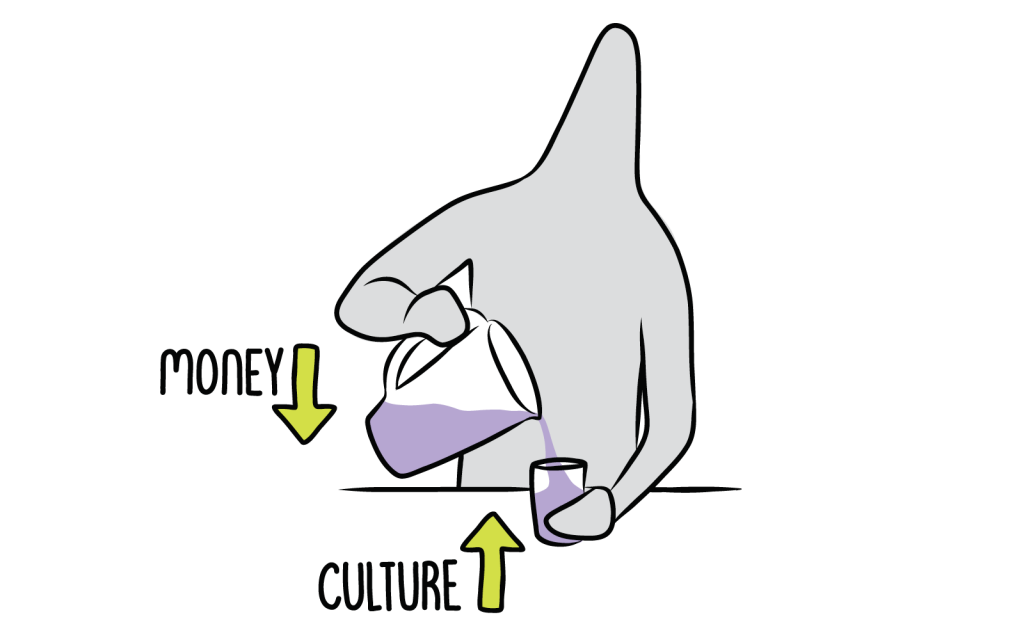
The big mistake we see when we benchmark a firm or perform a deep valuation is this: thinking that all the money they save on the facility drops to the bottom line. It shouldn’t; you should be using much of that to build the culture that you lose by not working together.
We surveyed 168 firms to see what the strongest firms were doing. We’re going to combine that research with our official recommendations on what remote firms should be doing via in-person gatherings:
- One yearly gathering over three days in some central location with easy flight access. Don’t schedule things too tightly, but leave people room to breathe and just hang out. There should be a mix of learning, company updates, play, and work. The work isn’t just to keep from falling behind, but to give people a chance to overhear, work together, work out processes, etc. Try to do these at a large Airbnb and bring in a professional cook. Or do it at a smaller hotel with meeting areas you can commandeer. A guest speaker can sometimes make sense.
- Online meeting over a half day three months later.
- Shorter in-person gathering over one and one-half days.
- Another online meeting like the earlier one.
In terms of what to budget (speaking to US firms, here) and attendance requirements:
- $5,000-8,000 per person, total, to cover both of the in-person meetings.
- Discussed in the interview so that there are no surprises, but these are mandatory. Schedule them far in advance so that people can work around them, and try to accommodate school schedules to make it easier for parents.
- Excuse people in an emergency, but missing two in-person gatherings in a row would require a double-secret probation and an ankle monitor. Flexibility is good, but remember that you are still allowed to set the standards for your culture and insist that the job requires certain things.
Then you’ll want to do a solid, standardized debrief after each in-person gathering to see how it could be improved. And plan them very intentionally, focusing on doing the things that can only happen when face to face.